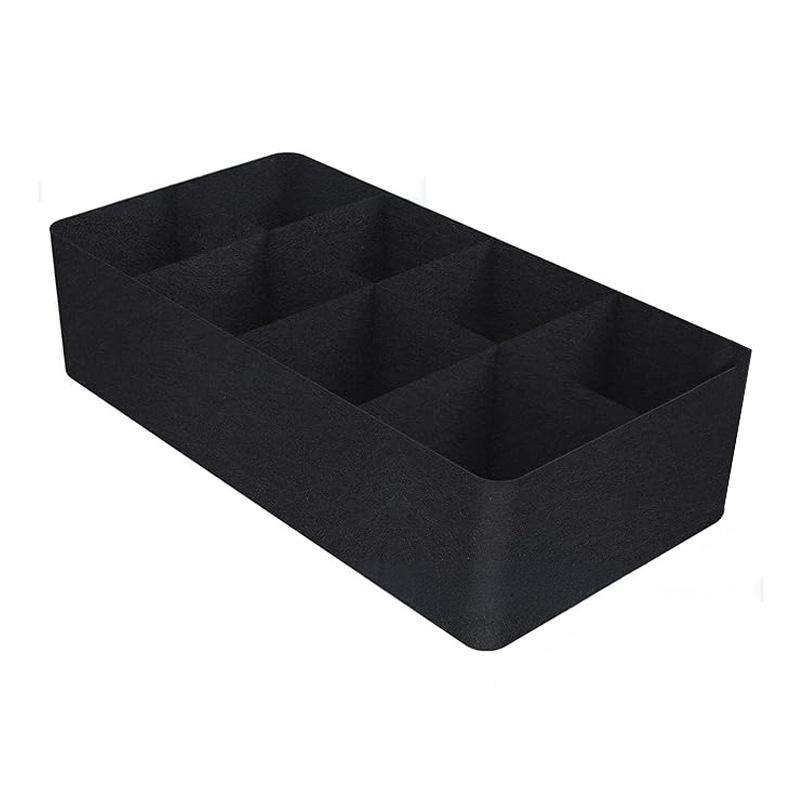
🌱 Divided Fabric Grow Bags — One Bag, Eight Plants, Zero Root Tangles upsell
🌱 Divided Fabric Grow Bags — One Bag, Eight Plants, Zero Root Tangles upsell
BUNDLE & SAVE
Couldn't load pickup availability

🌱 Divided Fabric Grow Bags — One Bag, Eight Plants, Zero Root Tangles upsell

🌱 Divided Fabric Grow Bags — One Bag, Eight Plants, Zero Root Tangles
Grow a Complete Kitchen Garden in the Space of a Single Pot — with Breathable Fabric That Keeps Roots Healthy and Separated.
Still Dealing with These Container Gardening Frustrations?

❌ Roots tangling together when you plant multiple seedlings in one pot
❌ Plastic containers that trap heat, drown roots, and crack in the sun
❌ Heavy ceramic planters that are impossible to move or store
❌ Limited space on your balcony or patio for more than a few pots
❌ Messy root damage every time you try to separate companion plants
It's time to grow a full garden in one bag — with eight separate pockets that keep roots separated, healthy, and ready to thrive.
Why This 8‑Pocket Grow Bag Works Better
🧵 8‑Pocket Design — Eight Plants, One Bag, Zero Root Tangles

The sewn‑in dividers create eight separate growing pockets in a single bag. Plant tomatoes, basil, peppers, cilantro, marigolds, mint, cucumbers, and dill — all in the same footprint that would normally hold one or two pots. Each pocket keeps roots contained and separated, so plants never compete, never tangle, and never choke each other out.
🌬️ Breathable Non‑Woven Fabric — Air Prunes Roots Naturally

Unlike plastic pots that trap moisture and cause root rot, the porous fabric allows air to flow through the soil. When root tips reach the bag wall, they encounter air and naturally prune themselves, triggering the plant to grow new, fibrous feeder roots. The result: a denser, healthier root system that absorbs more nutrients and produces bigger yields.
💧 Excellent Drainage — No Soggy Soil, No Root Rot

Excess water drains freely through the fabric walls and bottom — no standing water, no anaerobic soil conditions. Your plants get the moisture they need without the risk of drowning. Even after heavy rain, the bag dries quickly and stays aerated, reducing the chance of fungal diseases that plague traditional planters.
🪶 Lightweight, Foldable & Reusable — Season After Season

Weighing just a few ounces, these bags are easy to carry, rearrange, or bring indoors during frost. At the end of the season, empty the soil, fold the bag flat, and store it in a drawer or shelf. It takes up almost no space — unlike ceramic or plastic pots that clutter your shed all winter.
🍅 Perfect for Companion Planting — Eight Times the Harvest

Pair tomatoes with marigolds, peppers with cilantro, cucumbers with dill, and mint with basil — all in one bag. The 8‑pocket design lets you create a complete companion planting system that deters pests, attracts pollinators, and maximizes your yield per square foot. Even on the smallest balcony, you can grow a full kitchen garden.
How to Use Your 8‑Pocket Grow Bag — Three Simple Steps

🪴 Step 1: Fill All Eight Pockets with Quality Potting Mix
Place the bag in a sunny location before filling — it's lightweight, so moving it full of wet soil is harder. Fill each of the eight pockets with well‑draining potting mix, leaving about an inch of space from the top. The sewn‑in dividers ensure the soil in each pocket stays completely separate. Lightly water all pockets to settle the soil before planting.
🌱 Step 2: Plant One Seedling Per Pocket
Dig a small hole in each of the eight pockets and place one seedling or a few seeds per pocket. Press the soil gently around the roots. Water lightly to help the roots make contact with the new soil. Leave enough space for each plant to spread its leaves without crowding — the dividers handle the roots, but the foliage needs its own room too.
💧 Step 3: Water Regularly & Watch Them Flourish
Water whenever the top inch of soil feels dry. Because fabric pots breathe and drain so well, they may need slightly more frequent watering than plastic containers — especially in hot weather. Add a balanced liquid fertilizer every two weeks during the growing season. At harvest time, simply cut away spent plants and leave the healthy ones undisturbed in their own pockets.
Why Gardeners Love These 8‑Pocket Grow Bags

🪴 Watching Eight Plants Thrive Together Never Gets Old
There's something deeply satisfying about seeing tomatoes, basil, peppers, cilantro, marigolds, mint, cucumbers, and dill all pushing out new leaves from the same bag, living in perfect harmony. The dividers turn one bag into a mini farm — and every morning you'll find yourself checking on all eight pockets, comparing growth, and feeling that quiet pride of a gardener who figured out how to grow a full kitchen garden in a single footprint.
📦 Cleanup and Storage Is Actually Effortless
At the end of the season, there's no heavy pot to scrub, no cracked ceramic to throw away. Just empty the soil from all eight pockets, rinse the fabric, fold it flat, and tuck it away until spring. Your shed or balcony storage doesn't become a graveyard of plastic pots. And next year, when you unfold it and fill it again, the fabric and dividers still look and perform like new.
🏡 Even a Tiny Balcony Feels Like a Real Farm
You don't need a backyard to grow your own food. One 8‑pocket bag on an apartment balcony can produce more herbs, peppers, and cherry tomatoes than one person can eat — and you still have space left for pollinator flowers that keep everything healthy. The divided design means you're growing a complete garden in the space of a single pot. It's the smartest upgrade for anyone who wants a bigger harvest without a bigger home.
Perfect for Every Grower & Every Space

SPEC
Material: Premium Non-Woven Fabric
Color: Black
Style: 8 Grids
Size: As Shown

Package Includes: 1* Divided Fabric Grow Bags for Plants
NOTES
For best results, place on well-draining surfaces or plant stands.
Fold edges inward when filling with soil to maintain shape.
Colors may fade slightly with prolonged sun exposure.
Not recommended for trees or plants with extremely deep root systems.